When Your Commack Home Takes a Hit, Every Hour Counts
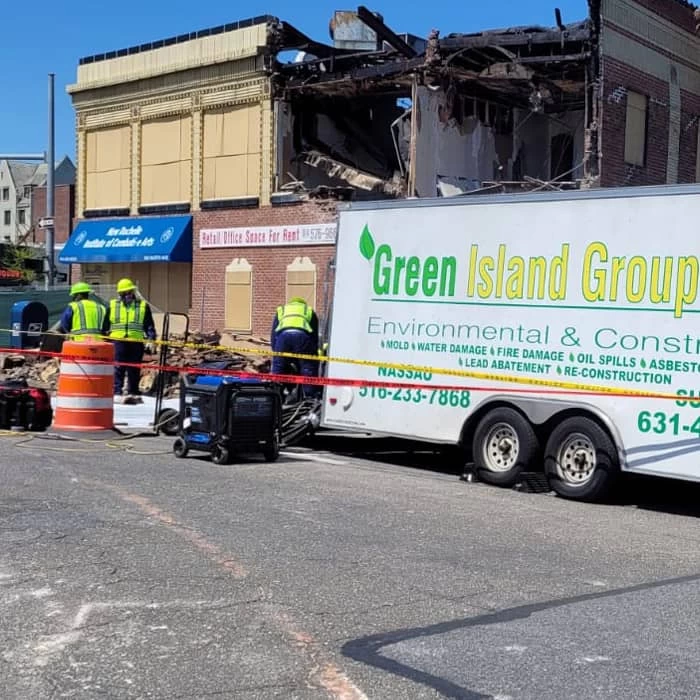
Soot sets in fast. Smoke hides deeper than you think. We respond quickly to fire damage in Commack and handle everything from emergency cleanup to the final coat of paint.
I needed a professional consultation explanation of procedure for safe removal of Asbestos in my apartment complex. Without having an account yet, I was very impressed with the caring, knowledgeable and generous advice offered by Jessica, and will look forward to doing business in the future. Thank you so much! I feel much more informed about a sometimes scary endeavor. Peace. Nancy Silva Mineola, NY.
Mia Munoz
Used this company to clean up some water flood in my house. They were fast and easy to work with.very professional, Would recommend to anyone!
Nini Valle
Great company, had a flood and they responded quickly and efficiently. Billed my insurance company directly. I highly recommend this company!
joe colapietro, jr
I had pipe freeze in my basement right before a snow storm and they made to within an hour to help start the clean up process. They we by our side throughout the entire process and even helped with the insurance company. They did such a great job with the cleanup, repair, remidiation, I contracted them to perform the repairs and finishes in the basement. They came with enough manpower and material to get the job done. Leo and Jessica were nothing but a pleasure to deal with!!
Cristian Arredondo c
I had some water damage in my home and Green Island was able to take care of my issue quickly and effectively. I am very pleased with the work they did. They responded quickly and were very professional.
Michael M
Outstanding service! From the office to the field crew everyone was friendly, helpful and responsive. I highly recommend Green Island Group.
After a fire, what you can see is rarely the whole story. Smoke travels through HVAC systems and settles into wall cavities, insulation, and soft materials in rooms that never saw a flame. If that’s not addressed completely, you’re left with a home that looks fine on the surface but still smells like a fire six months later and that’s not acceptable when your Commack home is worth what homes in this area are worth.
Most of Commack’s housing stock was built between the mid-1950s and early 1970s. That means your home almost certainly contains asbestos-bearing materials joint compound, floor tiles, pipe insulation that become a genuine hazard the moment fire or demolition disturbs them. A restoration company without environmental remediation credentials can’t legally or safely handle that. We can, and do, on every project where it applies.
Beyond the physical work, there’s the insurance process which most homeowners have never navigated before. Our team walks you through it, helps document the damage properly, and communicates with adjusters so the full scope of your restoration is covered. That kind of hands-on support changes the outcome of a claim significantly.
We’re a locally owned and operated restoration company serving Long Island not a franchise routing calls through a regional center. When you reach out to us, you’re talking to people who know Commack and Suffolk County, know the housing stock here, and have our name attached to the work we do. That accountability shows up in the reviews, where customers name specific team members and describe specific outcomes not just a generic five-star rating.
We serve communities across Nassau and Suffolk Counties, including Commack and the surrounding areas like Dix Hills, Hauppauge, Deer Park, and Northport. The homes here were built in an era that came with its own set of challenges older construction, original HVAC systems, materials that require licensed handling. Our background in environmental remediation means those challenges don’t slow the project down or get handed off to someone else.
From the first call through the final walkthrough, you get one team and one point of contact. That’s how it should work.
What the Restoration Process Looks Like for Commack Homes
The first step is emergency stabilization boarding up openings, extracting standing water left by firefighting efforts, and preventing any further damage from weather or exposure. In Commack, where nor’easters and wet winters are a real factor, getting a fire-damaged structure secured quickly matters more than most people realize. An unsecured roof or open wall in the middle of a Long Island winter compounds the damage fast.
Once the structure is stabilized, the assessment phase begins. This is where the hidden damage gets mapped smoke penetration through ductwork, soot on surfaces throughout the home, moisture readings inside walls, and a check for any asbestos-containing materials that may have been disturbed. Because most Commack homes were built before 1980, this step isn’t optional. It’s standard practice on every project. If asbestos is present, licensed abatement happens before any reconstruction begins, in full compliance with New York State NYSDOL requirements.
From there, remediation and restoration move in sequence odor elimination, surface cleaning, structural repairs, and rebuild work through final finishes. If permits are required through the Town of Smithtown or Town of Huntington depending on where your property sits, that gets handled as part of the process. The goal is handing you back a home that’s fully restored, not just patched up.
Full-Scope Restoration Built for Commack's Older Homes
Fire damage restoration in Commack isn’t a simple cleanup job. The homes here have layers original plaster walls, hardwood floors, older HVAC systems, and decades of materials that behave differently under fire and smoke exposure than modern construction does. Our service is built around that reality, not a generic checklist.
The scope of work we cover includes emergency response and board-up, water extraction from firefighting, soot and smoke remediation throughout the structure, HVAC decontamination, asbestos assessment and licensed abatement where applicable, mold prevention and remediation, odor elimination at the source not surface masking and full structural reconstruction through final finishes. Every phase is handled in-house. Nothing gets handed off to a subcontractor you’ve never met.
For Commack homeowners, the insurance component is just as important as the physical work. We assist with damage documentation, work alongside your adjuster, and help make sure the scope of restoration reflects the actual damage not a minimized version of it. When your home is valued at over $700,000 and you’ve lived in it for decades, that advocacy matters. The job isn’t considered done until you’re satisfied with the result.
What should I do immediately after a fire in my Commack home?
The most important thing you can do in the first hour is call a professional restoration company not start cleaning on your own. Soot contains toxic compounds from burned synthetic materials, and disturbing it without proper containment spreads contamination further into the home. Firefighting water, if not extracted quickly, creates conditions for mold growth within 24 to 48 hours.
Once the Commack Fire Department clears the scene and the structure is deemed safe to enter, document everything with photos before anything is moved or touched. Don’t throw anything away even items that look destroyed may be relevant to your insurance claim. Call us to get emergency stabilization started. The faster the response, the smaller the total scope of damage tends to be. Every hour of delay works against you.
Does homeowners insurance cover fire damage restoration costs in Commack, NY?
In most cases, yes standard homeowners insurance policies cover fire damage restoration, including smoke and soot cleanup, water damage from firefighting, and structural repairs. But the coverage you actually receive depends heavily on how well the damage is documented and how the claim is presented to your adjuster. Underdocumented claims frequently result in underpayment.
This is where a lot of Commack homeowners run into trouble. If you’ve never filed a major claim before, the process isn’t intuitive. We assist with damage documentation from the start and communicate directly with adjusters to make sure the full scope of work is captured in the claim not just the visible burn area. Given that Commack homes regularly appraise above $700,000, the difference between a well-managed claim and a poorly documented one can be significant. Having someone in your corner throughout that process is worth as much as the restoration work itself.
My Commack home was built in the 1960s does a fire mean asbestos exposure?
It’s a serious question and the honest answer is: possibly, yes. Homes built in Commack during the 1950s, 1960s, and early 1970s which describes the majority of the community’s housing stock were constructed during the peak years of asbestos use in residential building materials. Joint compound used in drywall installation, vinyl floor tiles, pipe insulation, textured ceiling coatings, and HVAC duct insulation from that era commonly contained asbestos-bearing materials.
When fire damages or demolition disturbs these materials, asbestos fibers can become airborne. That’s a health hazard that requires licensed abatement not general cleanup. In New York State, asbestos abatement requires NYSDOL certification, and it’s illegal for an uncertified contractor to perform that work. We hold the environmental remediation credentials to assess, contain, and safely remove asbestos-containing materials as part of the restoration process. If your home was built before 1980, this assessment is a standard part of how every project starts.
How long does fire damage restoration typically take for a house in Commack?
The timeline depends on the scope of damage, but most residential fire restoration projects in Commack fall somewhere between two weeks and several months from initial response to final finishes. A contained kitchen fire with limited smoke spread is a very different project than a structural fire that requires asbestos abatement, mold remediation, and full reconstruction.
A few factors specific to Commack can affect the timeline. If your property sits in the portion of Commack governed by the Town of Smithtown, permits are pulled through that building department. If it’s in the Huntington portion, that’s a separate jurisdiction. Either way, permit timelines are part of the project schedule and need to be factored in from the start. Seasonal conditions also matter a fire that happens during a wet Long Island winter adds complexity to the drying and stabilization phase that a summer project might not face. We map all of this out at the assessment stage so you have a realistic picture of the schedule before work begins.
Will the smoke smell ever fully go away after a fire in my house?
Yes but only if it’s addressed properly. Surface cleaning alone doesn’t eliminate smoke odor. Smoke molecules penetrate porous materials including drywall, wood framing, insulation, and soft goods, and they don’t leave on their own. If a restoration company cleans visible surfaces without treating the materials underneath, the odor comes back especially when humidity rises, which is a regular condition on Long Island.
We use industrial-grade odor elimination methods that address smoke at the source, not surface sprays or masking agents. The process includes HVAC decontamination, which is critical in Commack’s older homes where original ductwork can carry smoke odor to every room in the house. The goal is a home that smells like your home again not a home where you’ve learned to live with the reminder of what happened. That’s the standard the job is held to, and it’s not considered complete until it’s met.
How do I choose a fire restoration company in Commack instead of a national franchise?
The main thing to look for is whether the company can actually handle the full scope of what a Commack fire restoration project requires not just the cleanup, but the asbestos assessment, the mold remediation, the insurance documentation, and the rebuild. A lot of franchise operators handle the emergency phase and then hand off the rest to subcontractors you’ve never vetted. That creates gaps in accountability and often extends the timeline significantly.
Ask specifically whether the company holds New York State environmental remediation credentials. Given Commack’s housing stock, this isn’t a niche capability it’s a baseline requirement for any project involving pre-1980 construction. Also look at whether reviews name specific people and describe specific outcomes, or whether they’re generic. Real reviews from Long Island homeowners who mention the names of the people who helped them are a more reliable signal than star ratings alone. Our reviews do exactly that and our track record of customers expanding their relationship beyond the initial emergency work says more than any marketing claim could.